Réflexions de Katie Martin, chroniqueuse des marchés au Financial Times
Katie Martin, chroniqueuse des marchés au Financial Times, revient sur deux décennies de couverture des marchés financiers et sur ce qu’elle pense de la résilience, du risque et de la lecture des signaux dans un monde de plus en plus incertain.
Dans cet épisode de L’école de la pensée, Jo Taylor, président et chef de la direction du RREO, discute avec Katie Martin, chroniqueuse des marchés au Financial Times et coanimatrice du balado Unhedged. S’appuyant sur plus de deux décennies d’expérience sur les marchés mondiaux, Mme Martin nous fait part de ce qu’elle a appris en discutant avec des investisseurs, des dirigeants d’entreprise et des décideurs à travers des périodes de changement et d’incertitude.
La conversation explore la façon dont les investisseurs réagissent aux signaux contradictoires sur les marchés des actions, des obligations et de l’énergie. Mme Martin discute de la résilience des marchés, des occasions qui découlent de la transition énergétique et de la façon dont l’intelligence artificielle transforme les secteurs, les portefeuilles et les décisions de placement. Elle examine également les répercussions de l’inflation, de la géopolitique et de l’évolution des alliances mondiales.
Tout au long de la discussion, elle souligne l’importance d’écouter des points de vue variés mais d’être critique, la qualité distincte des perspectives fournies par les gestionnaires de placements qui ont un intérêt financier direct et ce que signifie trouver un équilibre entre être curieux, critique mais pas trop cynique.
Écouter et s’abonner
.svg.png)


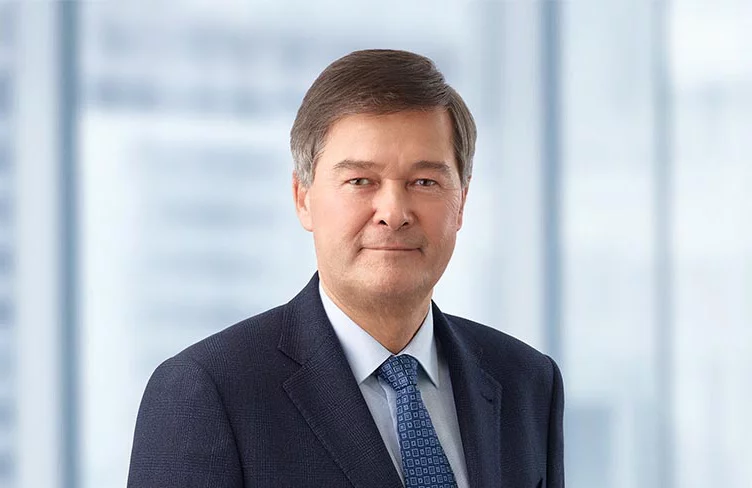
Jo Taylor
Président et chef de la direction, RREO
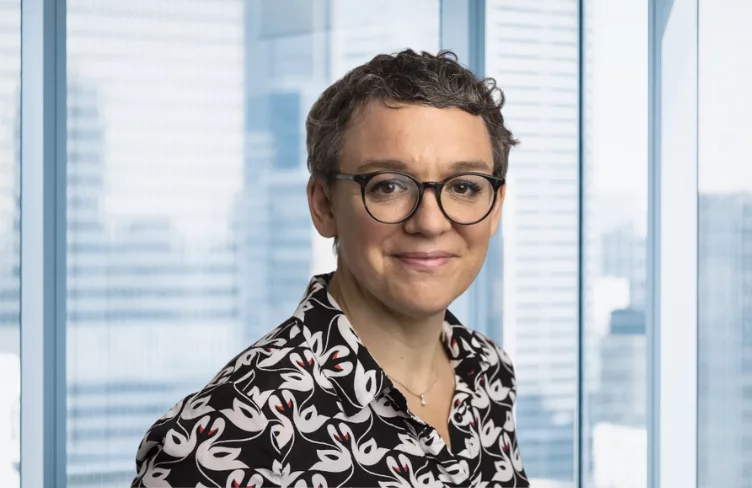
Katie Martin
Chroniqueuse des marchés, Financial Times
-
Jo Taylor est président et chef de la direction du Régime de retraite des enseignantes et des enseignants de l’Ontario (RREO), l’un des investisseurs institutionnels les plus importants et les plus sophistiqués au monde. Il dirige une organisation de placement mondiale dont la mission à long terme est d’assurer la sécurité de la retraite de ses membres grâce à des portefeuilles de placement résilients et diversifiés et à des stratégies de service innovantes.
Arrivé au RREO en 2012, M. Taylor possède plus de 40 ans d’expérience dans le domaine des placements mondiaux et du leadership sur les marchés publics et privés. Il a joué un rôle central dans la croissance internationale et l’expansion stratégique du RREO, travaillant en étroite collaboration avec les équipes de direction pour améliorer le rendement des placements, les rendements ajustés au risque et l’excellence opérationnelle dans l’ensemble de l’organisation.
L’expertise de M. Taylor s’est affinée au cours d’une carrière menée en Europe, en Asie et sur le continent américain, où il a mené à bien de multiples stratégies de placement et de croissance commerciale. Avant de se joindre au RREO, il a travaillé pendant plus de 20 ans pour 3i Group plc, où il a occupé divers postes de direction du groupe.
M. Taylor est titulaire d’un baccalauréat ès arts (avec distinction) de l’Université de Londres et a par la suite obtenu un MBA de la Manchester Business School. Il a été président et administrateur non dirigeant de nombreuses sociétés, notamment Helly Hansen et Camelot.
-
Katie Martin est chroniqueuse et membre du comité de rédaction du Financial Times. Elle rédige la chronique hebdomadaire Long View sur les tendances du marché ainsi que d’autres articles d’opinion, et participe chaque semaine au balado Unhedged.
Auparavant, elle a travaillé pendant quatre ans comme rédactrice en chef des marchés du Financial Times, et pendant plusieurs années au sein du service d’actualités en continu du journal. Avant de se joindre au Financial Times en 2015, elle a travaillé pendant 11 ans au sein du groupe Dow Jones/Wall Street Journal, où elle couvrait également les marchés.
Avertissement concernant le balado
Les renseignements fournis dans ce balado sont uniquement à titre informatif et ne visent pas à traiter de situations individuelles. Ces renseignements ne constituent en aucun cas une recommandation, une déclaration, une approbation ou une validation, ni une offre de vente ou une sollicitation d’offre d’achat d’un placement, d’un fonds ou de tout autre produit ou service.
Ils ne visent pas non plus à fournir, ni à se substituer à, une quelconque forme de conseil (financier, juridique, d’investissement, fiscal ou autre) et ne doivent pas servir de base pour prendre ou s’abstenir de prendre une décision de placement ou autre précise. Les auditeurs sont encouragés à solliciter l’avis d’un professionnel indépendant le cas échéant.
Le RREO ne fait aucune déclaration ni ne donne aucune garantie quant à l’exactitude, l’exhaustivité, l’actualité ou l’applicabilité du contenu. Toute confiance accordée aux renseignements fournis est aux risques et périls de l’auditeur.
Les points de vue et opinions exprimés par les intervenants invités leur sont propres à la date de publication et peuvent ne pas refléter ceux du RREO. Les invités peuvent détenir des positions dans les placements ou les sujets abordés.
Pour en savoir plus sur le Régime de retraite des enseignantes et des enseignants de l’Ontario, veuillez visiter le site www.otpp.com.
-
Jo Taylor : Bienvenue à notre balado. Je m’appelle Jo Taylor et je suis président et chef de la direction du Régime de retraite des enseignantes et des enseignants de l’Ontario, le RREO. Nous sommes très heureux d’accueillir notre invitée d’aujourd’hui, Katie Martin. Bon nombre d’entre vous connaissent Katie par son travail au Financial Times. Journaliste de carrière, Katie a passé une grande partie de sa vie à couvrir les marchés financiers et est probablement mieux connue pour sa chronique « The Long View ». C’est un plaisir d’accueillir Katie aujourd’hui. En plus de se joindre à notre balado, elle est une experte dans ce domaine, puisqu’elle participe depuis longtemps au balado « Unhedged » du Financial Times. Katie, brisons la glace avec la question suivante : cela fait 20 ans que vous êtes journaliste financière. Comment en êtes-vous arrivée à cette carrière et qu’est-ce qui fait que vous y êtes toujours?
Katie Martin : Jo, vous ne me rajeunissez pas! En effet, je suis dans ce domaine depuis un certain temps. J’ai toujours voulu être journaliste. Je crois qu’aucun enfant ne se réveille un matin en se disant qu’il veut être journaliste financier dans la vie... Comment pourrait-il savoir ce que sont les obligations et les actions? Mais j’ai toujours voulu être journaliste, en grande partie parce que Lois Lane était vraiment « cool » et qu’elle avait une machine à écrire dans les films de Superman : ça me suffisait. J’ai toujours voulu faire cela. J’ai donc commencé par la presse spécialisée. Nous sommes nombreux à le faire. J’ai d’abord travaillé chez Euromoney, que vous connaissez probablement, puis je suis passée aux agences de presse. Dow Jones Newswires est devenu le Wall Street Journal. J’ai fait partie de cette équipe pendant 11 ans. Puis, j’ai fait le saut au Financial Times. J’y suis depuis 11 ans aussi. Bref, je ne bouge pas beaucoup, car c’est tout ce que je sais faire.
Jo Taylor : Parlons un peu plus du monde financier que vous couvrez. Mais revenons un peu en arrière. Je crois que vous avez étudié le russe avant de devenir journaliste. J’ai ceci en commun avec vous : j’ai aussi étudié l’histoire russe. Qu’est-ce qui vous a amenée à choisir une carrière en russe? Vouliez-vous devenir espionne ou quelque chose du genre? Quelle est l’histoire?
Katie Martin : C’est un pur hasard. J’ai eu mon premier contact avec cette langue à l’école, vers 13 ans. Il fallait choisir. Le grec antique était aussi offert.
Jo Taylor : Une langue morte.
Katie Martin : Je ne comprenais pas vraiment l’utilité de cette option. Soit vous étudiiez le russe, soit vous suiviez un cours de cuisine. C’était une école pour filles et je me suis dit bon... je choisis le russe. Je ne sais pas pourquoi, ça m’a suivi. Je n’ai pas de famille là-bas, ni quoi que ce soit du genre. J’étais douée pour les langues, c’était mon truc. J’ai fait ce choix à l’école, puis je suis allée étudier le russe à Cambridge. Je ne suis pas une espionne, promis! J’ai envisagé de devenir espionne pendant un certain temps, mais ce n’était pas pour moi. Je crois que je réussis mieux à dire des secrets qu’à les garder. Oui, d’après mes études en histoire, c’est un pays fascinant avec une culture tout aussi fascinante. Ce n’est pas la langue la plus facile, mais c’est une introduction dans la grande histoire européenne du XXe siècle. Passer du temps en Russie, c’est difficile à battre.
Jo Taylor : Dans votre travail, vous parlez à beaucoup de gens et selon ce que je vois, vous semblez avoir des antennes pour savoir quelles personnes disent des choses vraies, qui ont du sens, par rapport à celles qui essaient de vendre leur salade ou disent n’importe quoi, qui tentent de vous persuader de quelque chose. Comment départagez-vous ce qui vaut la peine d’être transmis aux lecteurs, par rapport à autre chose, qui a moins de sens pour vous?
Katie Martin : Serait-ce un sixième sens? Je crois en fait qu’il est utile de parler aux gens qui disent de la foutaise et de les écouter. Il est très important de comprendre ce que les autres pensent, car tout comme les marchés financiers, vous le savez sans doute, ils ne se soucient pas de ce que vous pensez. Ils se fichent de vos préférences. Ils se fichent de votre vision du monde. Ils sont un amalgame de ce que pense le reste du monde et vous n’êtes qu’une goutte dans l’océan pour eux. On peut penser qu’une catégorie d’actifs ou un placement en particulier n’a aucun sens, mais ça peut fonctionner quand même. Ou encore, on peut penser que les marchés sont trop optimistes ou trop pessimistes. Je crois qu’il vaut vraiment la peine de parler à autant de gens que possible pour comprendre ces divergences. Ce que j’ai toujours dit, à mes collègues et à mes collègues plus jeunes qui gravissent les échelons en journalisme financier, c’est de choisir soigneusement à qui ils parlent. Les gens peuvent être controversés, avoir des idées folles, mais il faut essayer d’éviter les vrais idiots. Essayez d’éviter les gens qui prétendent tout comprendre. Essayez de parler aux personnes qui gèrent réellement de l’argent. Quand des intérêts sont en jeu, la conversation est complètement différente. Quand on gère de l’argent, surtout celui des autres, on ne se contente pas de lancer des idées en l’air, de donner son avis. On a un sentiment de responsabilité.
Je crois que cela permet d’obtenir des commentaires, des opinions et des analyses plus éclairés.
Jo Taylor : C’est un point très intéressant. Je me souviens d’avoir été dans une salle dernièrement; il devait bien y avoir 100 investisseurs. Probablement un tiers investissait leur propre argent et un tiers recueillait des fonds pour les investir, et les différences de vues et de niveau de conservatisme étaient frappantes entre les personnes qui investissent leurs propres fonds, que ce soit par notre intermédiaire, par exemple dans un fonds à capitalisation, ou hors bilan comme nous le faisons. Cela m’amène au constat suivant : au Royaume-Uni, on est reconnus pour être parfois assez critiques envers le monde. Comment parvenez-vous à trouver le juste équilibre entre la curiosité et l’esprit critique, sans pour autant tomber dans le cynisme face à certaines choses que vous entendez et voyez, car j’imagine que cela doit parfois arriver?
Katie Martin : C’est un problème que nous connaissons au Financial Times. J’imagine que les gens d’autres médias vivent la même chose et se posent la question : faut-il vraiment jouer ce jeu? Devons-nous toujours parler des choses qui risquent de mal tourner? Imaginons un krach dans les marchés, une baisse de 5 % en un jour. C’est une assez mauvaise journée au bureau pour le marché boursier. Tout le monde en parlera. Accordons-nous la même attention aux jours où le marché connaît une hausse de 5 %? Parfois oui, parfois non. Dans notre écosystème actuel, les gens ne veulent pas lire des histoires disant que tout ira probablement bien. Ils veulent lire des histoires qui leur présentent des pièges potentiels de notre point de vue. C’est là que le négatif apparaît. Ce sont des choses qu’il faut surveiller. Est-ce que cela nous rend férus des mauvaises nouvelles? La question est ouverte. Nous essayons de ne pas tomber dans ce panneau. Je crois que le Financial Times y parvient. Nous couvrons les marchés de façon assez équitable. Il y a de bonnes et de mauvaises journées. Il y a des forces qui poussent les marchés boursiers à la hausse et d’autres qui les tirent à la baisse. Nous essayons de les traiter de façon égale. C’est délicat, on ne veut pas être alarmistes. Nous ne voulons pas encourager nos lecteurs à rater des occasions en étant trop prudents, car c’est la voie la plus facile.
Katie Martin : Par ailleurs, les pessimistes font plus de bruit que les optimistes. Ils parlent parfois très fort, sont parfois vides de sens, et ont beaucoup plus de temps d’antenne qu’ils ne le devraient. Ce peut être très facile pour un journaliste d’écrire sur les marchés financiers. Il faut éviter la tentation d’imposer nos valeurs personnelles ou nos lignes éditoriales. Au Royaume-Uni, par exemple, il n’est pas difficile de trouver des journaux affirmant que nous sommes aux prises avec une crise horrible des obligations du gouvernement du Royaume-Uni et de la livre sterling. Mais si je regarde les graphiques, je ne vois tout simplement pas de quoi ils parlent. Encore une fois, c’est le reflet de vos choix stratégiques et de vos politiques rédactionnelles. Ce qui est inquiétant, c’est que cela a bel et bien une incidence sur le comportement des investisseurs, en particulier parmi les investisseurs commerciaux autonomes. Je crois que la morale de l’histoire pour les consommateurs de nouvelles financières est de réfléchir à la politique qui sous-tend la publication et à leurs objectifs. J’ai une question : est-ce un jugement objectif? Est-ce juste? Cela exprime-t-il la possibilité que les marchés évoluent dans l’autre sens? Est-ce fait de manière impartiale? En gros, il faut faire attention à ce qu’on lit.
Jo Taylor : Oui, c’est un excellent conseil. Mais soyons honnêtes, je crois qu’en ce moment, la conjoncture peut donner l’impression qu’il y a assurément des risques dans le monde, qui sont bien couverts médiatiquement, notamment la géopolitique, le conflit avec l’Iran et les répercussions probables pour l’avenir. Je suppose qu’au RREO, nous essayons d’avoir ce que nous appelons un portefeuille résilient. J’espère qu’il pourra s’adapter à la plupart des événements et des défis. Comment voyez-vous les choses? Dans le contexte actuel, nous nous attendons à une croissance faible et à une inflation élevée, une sorte de simplification excessive. Est-ce que cela vous interpelle?
Katie Martin : Oui, absolument. Il y a une réelle tension dans les marchés en ce moment. Encore une fois, j’essaie de parler à une grande diversité de personnes. Lorsque je parle aux gens des marchés boursiers, ils me disent que c’est formidable. Les bénéfices des sociétés se portent bien. Mon portefeuille est en santé. Nous nous sommes remis du choc de la guerre en Iran. Je ne sais pas pourquoi les gens sont inquiets. Quand on parle aux gens du marché de l’énergie, ils nous disent que le pire est à venir.
Jo Taylor : C’est déjà commencé, je crois.
Katie Martin : Dans certaines régions du monde, les épreuves douloureuses ont déjà commencé. Je ne comprends pas pourquoi vous êtes si détendus, alors que bon nombre de ces négociants en énergie sont à bout de souffle en ce moment. Ils s’inquiètent de ce qui va se passer. Et ils sont très conscients que la guerre peut prendre fin pratiquement d’un claquement de doigts. Mais on ne peut pas recommencer à acheminer l’énergie partout dans le monde instantanément. Puis, au cœur de tout cela, il y a le marché des obligations. Les investisseurs en obligations forment un groupe plus vulnérable que les investisseurs en actions, comme les investisseurs en bourse. Ces derniers réfléchissent toujours aux choses qui peuvent bien aller, tandis que les investisseurs en obligations réfléchissent toujours à ce qui peut mal tourner. Ce sont des personnes très différentes les unes des autres. C’est plutôt intéressant. Ce sont deux tribus, mais elles sont coincées dans un contexte où le marché des obligations dit : « Oui, nous savons que la croissance est plus lente, que l’inflation est plus élevée et que les gouvernements du monde entier empruntent plus, car ils se sont soudainement rendu compte qu’ils doivent dépenser plus en énergie et consacrer plus d’argent aux énergies vertes et à la défense. » Il se passe donc quelque chose d’étrange sur le marché en ce moment où les éléments ne forment pas vraiment d’ensemble cohérent. Je trouve cette tension très intéressante. Comment réagissez-vous? C’est comme si vous receviez ces signaux contradictoires?
Jo Taylor : Je le pense. La question est probablement intéressante du fait qu’au cours des deux dernières années, les marchés d’actions à travers le monde ont généralement fait leur chemin, comme vous l’avez souligné à juste titre, avec beaucoup de résilience. On en revient presque à ce qui servira de catalyseur à ce changement. Et je pense que le conflit en Iran semble encore s’en éloigner. Honnêtement, je dirais que c’est sans doute notre objectif ultime de lutter contre l’inflation, car c’est un enjeu important pour un régime de retraite, en particulier en ce qui a trait au passif lié à l’inflation pour nos participants. Par exemple, la nourriture. On pourrait imaginer un scénario dans lequel on diminuerait la plantation en raison du coût des engrais ou même de leur disponibilité. Si la plantation n’est pas optimale et que la récolte est mauvaise, il pourrait facilement y avoir une pénurie de nourriture en plus des prix élevés. Je dirais que cela commence à exercer une pression à la baisse très nette. C’est ce que je pense, sans savoir si ce sera le problème, mais cela pourrait facilement être le catalyseur qui nous mettrait dans un état d’esprit différent. Je ne sais pas si vous êtes d’accord.
Katie Martin : Lorsque je parle aux investisseurs, est-ce généralement ce qu’ils pensent? Que l’inflation sera plus élevée en raison du prix des aliments, qu’elle sera plus élevée en raison des prix de l’énergie? Il y aura probablement une croissance plus lente que celle observée auparavant. C’est tellement intéressant! Ces organisations multilatérales avec lesquelles nous avons grandi et que nous considérons presque comme faisant partie des meubles. Pensons à l’OTAN, à l’ONU, à l’OPEP... Ce sont toutes des organisations imparfaites, mais elles rassemblent les gens et les forcent à réfuter les arguments et les idées. Et toutes ces organisations subissent d’énormes pressions. Il y a quelques années, on aurait pu croire que l’OTAN serait dans une situation d’instabilité de ses membres et que certaines alliances s’effondreraient. J’aurais dit que cela équivalait à 10 % de moins sur le marché boursier n’importe quel jour de la semaine. En fait...
Jo Taylor : Cela ne s’est pas produit.
Katie Martin : Quelle est la valeur de l’OTAN pour les investisseurs? C’est une question réellement ouverte. Pour ma part, je ne sais vraiment pas. Je ne connais pas la réponse. Je crois que cela revient au point que vous avez soulevé, soit la résilience. La COVID est arrivée, l’ensemble de l’économie mondiale s’est arrêtée du jour au lendemain, mais les marchés se sont redressés. Pensons à l’an dernier, au Jour de la Libération, cette menace de droits de douane commerciaux massifs des États-Unis sur le reste de la planète. Ces droits de douane ont en partie reculé, mais ont créé un important choc dans le marché. Malgré tout, le marché s’est rétabli. Je crois que les marchés boursiers sont tellement habitués à cette idée qu’ils ne s’inquiètent pas, ils rebondiront aussi. Ils rebondiront naturellement grâce aux bénéfices des sociétés, qui se portent très bien aux États-Unis, particulièrement en ce moment. Ou alors, ils rebondiront grâce à un filet de sécurité, que ce soit sur le plan fiscal, des taxes, ou encore avec des dépenses ou des politiques monétaires. Avec les taux d’intérêt, les gens sont simplement conditionnés à penser que quelqu’un se présentera pour régler ce problème. Et c’est très bien. C’est super. Je crois fermement en la résilience des marchés boursiers. Je crois que c’est un avantage net pour le monde. Mais une petite partie de moi se demande si la musique s’arrêtera un jour. Est-ce vraiment durable? Vous pouvez énumérer une liste de raisons pour lesquelles cela pourrait mal tourner. Je suis très heureuse que rien ne se soit concrétisé en ce sens, mais je crois que nous devrions prendre la question au sérieux.
Jo Taylor : Nous pourrions peut-être passer à un domaine connexe. Par exemple, notre tentative de délaisser les obligations pour un territoire plus optimiste composé d’actions. On pourrait penser aux changements climatiques. De mon point de vue, le climat a soudainement été relégué au quatrième ou au cinquième rang de la liste des sujets prioritaires, plutôt qu’au premier ou au deuxième rang. Plus particulièrement, compte tenu de tous les défis qui pourraient se présenter en matière de disponibilité et d’établissement des prix du pétrole et du gaz, ce sera peut-être l’élan qu’il faut pour développer d’autres façons de produire de l’énergie. Nous savons que certaines régions du monde n’aiment pas tellement l’énergie éolienne par rapport à l’énergie solaire et au stockage par batterie. Or, le RREO est un fervent partisan de la participation à la transition énergétique. Nous croyons qu’il faut trouver d’autres moyens de produire de l’énergie et de la distribuer au bon endroit. Voilà peut-être l’occasion pour certains de ces projets bloqués, en particulier ceux qui portent sur l’énergie éolienne, de revenir à l’ordre du jour. Qu’en pensez-vous?
Katie Martin : Je suis stupéfaite que le monde n’ait pas pris conscience de cela en 2022, avec l’invasion à grande échelle de l’Ukraine par la Russie, les fortes fluctuations des prix de l’essence, du gaz naturel et du pétrole, et un réel resserrement de la disponibilité de l’énergie, en particulier en Europe. De grandes régions du monde ont tout simplement continué de fonctionner comme à l’habitude en se disant : « Eh bien, nous allons simplement devoir payer plus cher et offrir des subventions pour atténuer l’incidence sur les ménages. » En revanche, certains pays ont fait preuve de beaucoup d’innovation sur ce plan. Prenons l’exemple de l’Espagne, qui a entièrement misé sur l’énergie solaire. Le soleil est omniprésent, en Espagne. Ainsi, le choc énergétique que nous avons vécu au cours des derniers mois a été plutôt modéré en Espagne, qui contrôle beaucoup plus son propre réseau énergétique. Je crois que c’est vraiment un signal d’alarme. Comme vous l’avez dit, il y a eu cet investissement durable sous l’angle des facteurs ESG, où l’on porte des lunettes très vertes. Nous sommes toujours à la recherche de solutions énergétiques vertes qui ont rencontré un vrai enjeu de relations publiques. À tout le moins, la deuxième administration Trump en particulier et de nombreux gestionnaires d’actifs à qui nous parlons ne cessaient de parler des facteurs ESG à un certain moment. Soudainement...
Jo Taylor : Tout a disparu.
Katie Martin : Disparu. L’expression a été supprimée de leurs sites Web. Ils n’en parlent jamais, comme si de rien n’était. Je me suis demandé si j’étais en train de devenir dingue. Je me souviens très bien que c’était quelque chose qui vous tenait à cœur il y a quelques années.
Katie Martin : La réalité, en particulier en Europe, est que nous n’avons jamais abandonné ce domaine. Il a toujours été là. Nous ne l’avons tout simplement pas crié à tout vent comme nous l’avions déjà fait auparavant. Je crois qu’il est temps d’avoir une conversation beaucoup plus honnête à ce sujet. Je crois que les obligations vertes, par exemple, ont pris de l’avance. Elles sont très populaires chez les investisseurs. Selon ce que m’ont dit les gestionnaires d’actifs, si vous voulez obtenir un mandat pour un régime de retraite public en Europe et que vous n’avez pas d’optique ESG, vous perdez votre temps. Vous ne franchissez tout simplement pas la porte. Nous avons maintenu notre optique. Les États-Unis peuvent faire ce qu’ils veulent. Or, j’ai l’impression que la révolution de l’énergie verte, qui se déroule toujours, sera extrêmement intéressante sur les plans politique, géopolitique, financier et tout le reste. Pensons aux progrès réalisés par la Chine dans ce domaine. Je crois que cela représente déjà environ le tiers des dépenses mondiales en énergie verte. La Chine peut produire des panneaux solaires deux fois plus rapidement. Ils savent ce qu’ils font et ils sont très bons pour fabriquer des véhicules électriques. Au bout du compte, la grande gagnante de ce conflit en Iran est probablement la Chine. Le contexte fait que l’on accorde beaucoup plus de poids géopolitique à la Chine, à son potentiel d’innovation et à ce qu’elle peut faire pour faciliter la transition vers les énergies vertes. Oui, je crois que l’un des effets durables de ce qu’on a vu au Moyen-Orient au cours des derniers mois sera de recommencer à dépenser plus pour la défense et aussi plus pour les énergies vertes. Je ne peux pas m’imaginer de scénario où l’Europe, par exemple, raterait cette occasion.
Jo Taylor : Nous avons discuté un peu du climat et de certaines des vulnérabilités. L’année 2026 pourrait être celle du grand appel public à l’épargne.
Katie Martin : C’est vrai.
Jo Taylor : Qu’en est-il de l’intelligence artificielle? Sera-t-elle réglementée? Il reste encore pas mal de questions sur ce qui semblait être, de prime abord, un volet très optimiste des occasions de marché.
Katie Martin : C’est parfois un peu difficile de savoir où en est le commerce de l’intelligence artificielle, n’est-ce pas? Nous avons passé une grande partie de l’année 2025 à nous demander si c’était une bulle. Est-ce que l’intelligence artificielle fonctionne réellement? La voulons-nous? Des sommes d’argent considérables sont investies dans des choses qui ne sont pas très logiques, instinctivement. On semble se faire des illusions, grosso modo pour aucune raison. Au cours des premières semaines de 2026, on entendait sur toutes les lèvres que l’intelligence artificielle était si fantastique. Que nous n’avions plus besoin d’êtres humains. Ce n’est plus le cas; maintenant, la conversation porte sur...
Jo Taylor : On fait tous des balados maintenant.
Katie Martin : La conversation porte sur les conséquences sociales et politiques de se débarrasser de beaucoup d’emplois humains et de donner ces tâches à des machines. Et on se demande : « Comment en est-on arrivé là? » Les gestionnaires d’actifs réfléchis à qui je parle disent : « Voici ce que les marchés font lorsqu’ils ne savent pas quoi faire. » Et je crois qu’ils ne le savent pas vraiment pour le moment. Ils ne savent pas si cette technologie est monnayable. Y a-t-il une source de revenus réelle qui en découle? Si c’est le cas, à quoi ressemble cette source de revenus et où est-elle distribuée? Quelles sociétés s’en sortiront bien et quelles sont celles qui s’en sortiront mal? Et que dire des autres sociétés dont les activités ne se concentrent pas sur l’intelligence artificielle? Vont-elles l’utiliser? Vont-elles devenir des versions bien meilleures de ce qu’elles sont actuellement en utilisant l’IA? Ou bien vont-elles gaspiller leur argent? La seule réponse à cela, c’est qu’il y aura des perturbations. Mais je ne sais pas trop à quoi ça ressemble. Je crois que bon nombre de ces questions feront vraiment surface à la suite des appels publics à l’épargne proposés de certains noms d’intelligence artificielle. Comme si l’on avait compris. Nous voyons la technologie, et certains d’entre nous l’utilisent comme bon leur semble. Claude est excellent à créer des graphiques pour moi et tout le reste, mais qui va payer? Sera-t-il payé loyalement? Sera-t-il payé chaque semaine ou chaque mois? À quoi cela ressemblera-t-il? C’est une question sans réponse. La question n’est donc presque plus de savoir si la technologie fonctionne ou non. Il s’agit de savoir qui paiera pour cette technologie.
Jo Taylor : En effet. Je crois aussi qu’il y a un grand clivage en ce moment entre les gens qui utilisent l’intelligence artificielle en tout temps dans leur vie privée et au travail, et les gens qui, comme vous le dites, sont probablement un peu plus sur la ligne de touche et qui se demandent comment les choses se dérouleront. Je crois que selon le modèle de centre de données qui alimente l’intelligence artificielle, il est encore assez difficile d’établir qui gagne de l’argent. Ce modèle a probablement été déformé par de nombreuses entreprises qui s’ingèrent dans divers éléments, en investissant les unes dans les autres pour que ces scénarios de croissance se réalisent à la vitesse attendue par les investisseurs.
Katie Martin : Oui, j’ai de la difficulté à m’y retrouver. Les entreprises ont des participations les unes dans les autres et des accords d’acquisition entre elles. C’est un écosystème assez étrange. On suppose souvent à tort que l’explosion de l’intelligence artificielle est une question liée aux marchés boursiers, qu’elle commence et se termine en bourse. Ce n’est pas du tout vrai. Les fournisseurs de services infonuagiques à très grande échelle ont émis beaucoup d’argent en obligations de sociétés pour financer une partie de l’édification de ces centres de données. Cette idée qu’il est possible d’éviter l’intelligence artificielle et que c’est un domaine que l’on peut exclure de notre portefeuille est absurde. Vous pouvez être dans des marchés émergents. Et devinez quelles sociétés sont associées aux actions à grande capitalisation? Celles du commerce de l’intelligence artificielle. Il peut s’agir d’obligations de sociétés. Eh bien, devinez quoi? Une grande partie de cette somme est consacrée au commerce de l’intelligence artificielle. Peu importe où se trouve votre portefeuille, il doit prendre l’intelligence artificielle en considération à plusieurs égards. Est-ce que cela nous rend plus résilients ou moins résilients? Honnêtement, je ne connais pas la réponse à cette question, mais il n’y a aucun moyen de l’éviter.
Jo Taylor : Permettez-moi de vous emmener ailleurs avec quelques brèves questions pour notre public canadien, si vous le permettez. Comment voyez-vous le Canada dans le monde à l’heure actuelle? Bien entendu, il y a eu une plus grande couverture médiatique avec Mark Carney, son discours de Davos et son souhait de tisser des liens pour avoir des solutions de rechange au commerce avec les Américains. La position du Canada dans le monde est toujours bonne.
Katie Martin : Je le pense. Je crois que le discours de M. Carney à Davos a été marquant. C’était un moment galvanisant pour les petites économies de se regrouper et de penser à un monde qui ne tourne pas nécessairement autour des mêmes grandes puissances auxquelles nous étions habitués par le passé, après la guerre. Pour moi, c’est très sain, tout comme les critiques que j’entends parfois à distance au sujet du Canada, à savoir qu’il semble y avoir de nombreux obstacles au commerce intérieur là-bas que je ne connaissais pas auparavant. Et l’économie est aussi très axée sur le pétrole. Le Canada est donc en bonne position pour parler de multilatéralisme, d’élimination des obstacles et de réflexion sur un monde qui mise sur autre chose que les combustibles fossiles. Juste. Je crois aussi que le Canada se démarque en tant qu’ami du Royaume-Uni et de l’Europe. Je crois que le monde doit penser un peu différemment lorsqu’il s’agit de compter sur les États-Unis, que ce soit pour la défense, les finances ou la technologie. Il semble que ce soit un endroit plus sain, qui se fait connaître un peu partout. Je crois que le Canada est bien placé pour tirer parti de cet élan.
Jo Taylor : Une autre chose que le Canada fait en ce moment, vous en avez probablement entendu parler, c’est de mettre sur pied un nouveau fonds souverain. Selon vous, le Royaume-Uni devrait-il avoir une approche qui ressemble à cela?
Katie Martin : Le Royaume-Uni devrait-il avoir un fonds d’investissement souverain? Bonne question. Une grande part de notre système de rentes n’est pas capitalisée et pourrait être traitée différemment. Cela comporte des avantages et des inconvénients. Une grande partie de nos rentes sont capitalisées au moyen des impôts plutôt que par l’intermédiaire d’une importante réserve d’argent. Un fonds souverain serait-il la bonne façon de procéder? Je crois que les Britanniques seraient obsédés par les inconvénients potentiels et par les placements qui y seraient effectués. Quelles sont les motivations politiques sous-jacentes à cela? Quels sont les intérêts particuliers? Et si nous devions être un pays qui envoie effectivement beaucoup d’argent à l’étranger pour investir dans des occasions à l’étranger, alors, encore une fois, je crois que ce serait délicat et que cela deviendrait vite politique. Pourquoi financez-vous le logement dans tel pays, mais pas dans un autre? S’il vous plaît. Et pourquoi investissez-vous dans les infrastructures là-bas alors que vous devriez le faire ici même? Je ne dis pas que c’est une mauvaise idée. Les Britanniques sont tout simplement trop tatillons pour rendre cela possible très rapidement. Ils verront les inconvénients, car ils sont souvent très pessimistes à l’égard du pays.
Katie Martin : Anecdote amusante. L’autre jour, j’ai discuté avec quelqu’un qui est le chef de la direction d’une entreprise allemande dans le domaine de la construction, des infrastructures et ce genre de choses. Il me disait : « On adore faire des affaires au Royaume-Uni, vous êtes très directs, vous avez des cadres juridiques clairs et une primauté du droit très robuste, vous êtes très consultatifs et avez une main-d’œuvre très qualifiée. » Je lui disais : « C’est fou, ce n’est pas ce que je constate. » Je ne savais pas de quoi il parlait. Je crois que nous sommes très bons pour nous taper dessus et cela plaît aux Américains, qui se bombent le torse et profitent de tous les aspects positifs. Je suppose que les Canadiens se situent quelque part entre les deux.
Jo Taylor : Je crois que les Canadiens voient généralement le verre à moitié plein. Le Canada regorge de ressources naturelles et d’espace. Il n’y a pas d’espace SpaceX, mais plutôt de l’espace pour vivre. Et le Canada s’est très bien tiré d’affaire en matière d’immigration, ce qui, selon moi, est tout à l’honneur des gouvernements qui ont précédé et du gouvernement libéral actuel.
Il y a une partie du monde actuel dont nous n’avons pas beaucoup parlé et que j’aimerais aborder : l’Asie. Dans notre cas, nous avons suspendu nos investissements en Chine parce qu’il nous était très difficile non seulement d’obtenir des rendements, mais aussi parfois d’investir dans des secteurs qui deviendraient stratégiques et, par conséquent, dont nous deviendrions dépendants.
Que se passerait-il si vous deviez vous dissocier de la Chine, retirer la Chine des chaînes d’approvisionnement de toutes les sociétés avec lesquelles vous travaillez? Je dirais que pour nous, de toute façon, contrairement à ce qui s’est passé avec la Russie, par exemple, cela n’a pas été trop difficile. Nous n’avions pas une trop grande exposition dans les chaînes d’approvisionnement, mais la Chine représenterait un défi complètement différent. Avez-vous des réflexions sur la probabilité que cela se produise un jour et sur la façon de s’y prendre?
Katie Martin : Oh, c’est une grande question, Joe. C’est un scénario cauchemardesque. Je crois qu’on a beaucoup parlé de la résilience des marchés. Mais si, pour quelque raison que ce soit, le monde ressentait le besoin de se déconnecter de la Chine, ce serait une tout autre histoire. Ce ne sont pas seulement dans les énergies vertes et les véhicules électriques que la Chine fait d’énormes progrès. Elle fait partie intégrante des chaînes d’approvisionnement pour tout, qu’il s’agisse de biens de faible valeur ou de grande valeur. Ce serait vraiment compliqué. Au fil des ans, je dirais que les investisseurs sont difficiles à suivre. S’intéressent-ils vraiment à la Chine? Et la minute suivante, tout le monde embarque. Puis, tout à coup, on entend toutes sortes d’annonces réglementaires qui sortent de nulle part et qui touchent le secteur de l’éducation. C’est arrivé il y a quelques années. C’est vrai. Et les gens perdent sur certains placements et se demandent ce qui se passe. Pourquoi n’ai-je pas vu cela venir? Et l’incertitude politique est vraiment difficile à gérer pour les investisseurs. Bon nombre de gestionnaires d’actifs m’ont dit : « C’est assez, je sors de là. » Ce n’est tout simplement pas un jeu dans lequel nous devons vraiment jouer. Les marchés boursiers américains se portent si bien. Pourquoi? Devons-nous vraiment prendre le risque de la Chine? Les gens s’enthousiasment pour la Chine maintenant. Des signes indiquent que ce cauchemar de longue date dans le secteur des biens immobiliers en Chine est peut-être plus près de la fin que du début.
Katie Martin : Ce qui se passe là-bas est difficile à comprendre, mais il semble que les choses s’améliorent et que nous arrivions à une fin naturelle, explique-t-elle. Touchons du bois. On constate le leadership que la Chine prend dans certains secteurs de haute technologie. Les gens regardent les choses aller et se disent qu’il n’est peut-être pas si bête d’avoir une certaine part d’allocation là-bas. Cela vient diversifier mon portefeuille par rapport aux autres régions du monde. Il existe des secteurs à forte croissance potentielle dans lesquels il serait tout à fait sensé d’investir. Mais voilà que la question de Taïwan est tombée dans l’œil du public, récemment. Nous sommes tous obsédés par l’Ukraine et l’Iran, mais cette question est toujours là. Bien sûr. Et la suite est incertaine. Pourtant, c’est le grand choc que tout le monde espère ne pas subir, car sur plusieurs plans, ce n’est pas dans l’intérêt de la Chine non plus. On tient compte de l’accumulation de richesse et de la base industrielle qu’elle a bâtie en s’étant, en quelque sorte, un peu intégrée à l’Ouest. Voudrait-elle mettre un terme à tout cela? J’en doute, mais on ne sait jamais. Nous vivons à une époque intéressante.
Jo Taylor : Simplement pour le plaisir, je vais vous poser rapidement quelques questions, ce qui permettra à tous les gens qui regardent ce balado de mieux connaître Katie.
Katie Martin : D’accord.
Jo Taylor : Sinon, ce sera rigolo à tout le moins. Chat ou chien?
Katie Martin : Chien.
Jo Taylor : Plage ou ville?
Katie Martin : Ça dépend pourquoi. Pour y vivre? Ville.
Jo Taylor : Simplement ce que vous préférez. Bière ou vin?
Katie Martin : Vin.
Jo Taylor : Théâtre ou cinéma?
Katie Martin : Cinéma.
Jo Taylor : Livres ou dollars?
Katie Martin : Sterling sur toute la ligne.
Jo Taylor : Qu’avons-nous d’autre? Pub ou karaoké?
Katie Martin : Oh, j’aime le karaoké. On peut avoir les deux : du karaoké dans un pub.
Jo Taylor : Bonne réponse.
Katie Martin : Quelle est votre chanson de karaoké incontournable?
Jo Taylor : Normalement, je chante les Beatles, « Get Back » ou quelque chose du genre, parce que c’est dans une tonalité où je peux réellement la chanter et il n’y a pas beaucoup de chansons où je peux le faire. Je m’en tiens habituellement à ça. Mon choix dépendra aussi du moment où je chanterai. Si c’est plus tard dans la soirée et que j’ai pris quelques consommations, comme on dit, je serai peut-être un peu plus ouverte d’esprit. Ça aide aussi pour la chanson et les paroles, on peut vraiment se laisser aller.
Katie Martin : Je ne savais pas que vous étiez un amateur de karaoké. On en apprend tous les jours!
Jo Taylor : Pas vraiment un amateur, mais je peux y prendre plaisir. Je vous remercie sincèrement, Katie, de vous être jointe à nous pour ce balado. Vous avez été une invitée fantastique. Ce fut une discussion très intéressante. Et j’espère qu’on aura l’occasion d’aborder d’autres sujets ensemble. Je suis persuadé que vous avez donné aux gens de quoi méditer tout au long de votre chronique et de vos réflexions. Pour ma part, c’est certain que cela m’a amené à réfléchir. Dans un monde incertain, il est vraiment utile d’avoir quelqu’un qui peut donner diverses opinions et donner le point de vue d’autres personnes pour alimenter le tout. Merci encore. Et merci à toutes les personnes qui ont écouté notre balado aujourd’hui. C’était formidable de vous avoir avec nous et j’espère que vous serez encore des nôtres lors de notre prochain balado.